Understanding Dementia Care:Essential information to comprehend
Comprehending dementia care is paramount for both patients and support providers. Noticing the preliminary symptoms, such as memory impairment and language difficulties, can enable swift intervention. Multiple categories of dementia, including Alzheimer's and vascular dementia, introduce specific hurdles. A supportive environment and proven care techniques can substantially improve life get the full story quality. Still, emotional challenges and juridical issues complicate the path of care provision. How can solutions promise all-encompassing support while handling these difficulties?
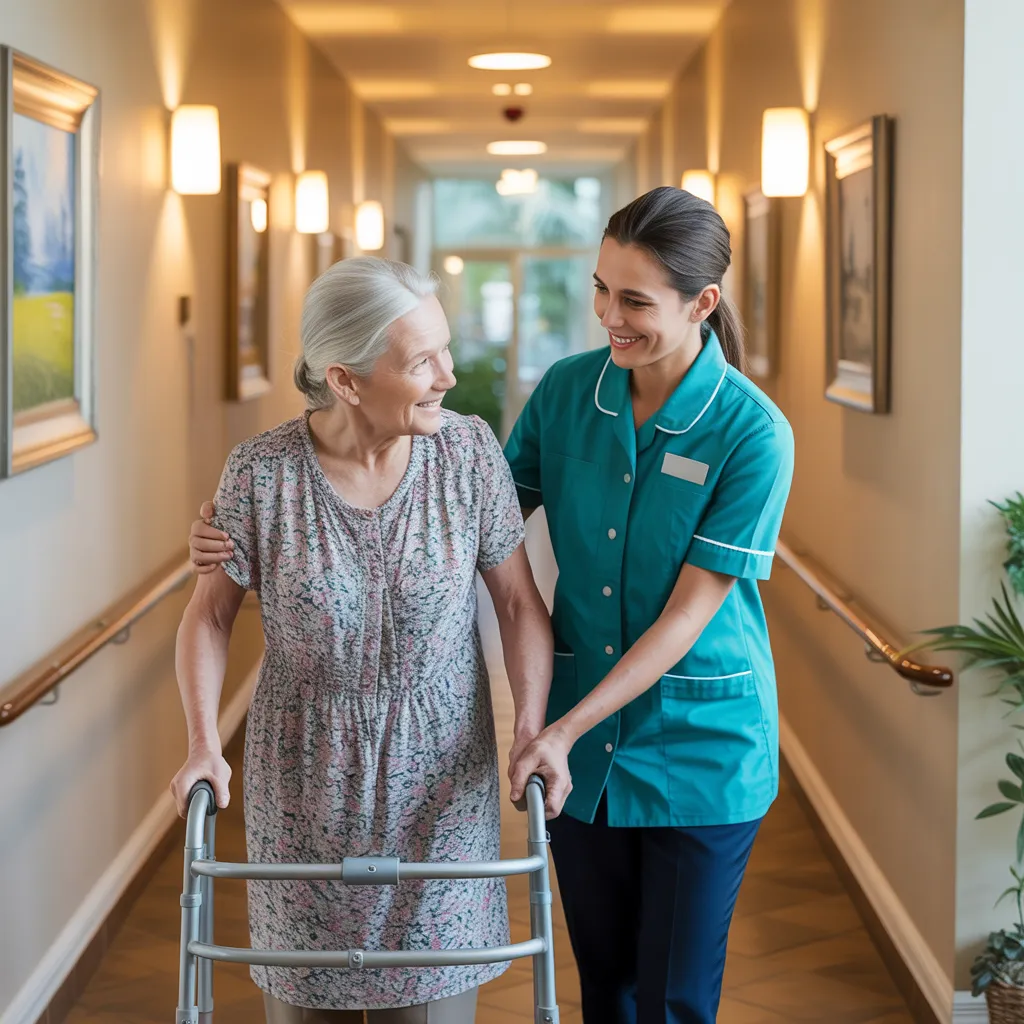
Spotting the Initial Warning Signs of Dementia
What is the best way to identify the early signs of dementia? Recognizing the initial indicators is essential for early intervention. Common symptoms include memory loss, particularly omitting recent events or conversations. Individuals may also experience difficulty in planning or organizing tasks, resulting in confusion in routine activities. Differences in language abilities, such as struggling to find the right copyright or follow conversations, frequently become noticeable.
Moreover, a person might display alterations in mood or behavior, ranging from increased irritability to social isolation. Difficulty in recognizing familiar places or faces can also emerge. These signs may be subtle at first, but their progression can markedly impact daily living. Knowledge of these early symptoms allows for appropriate discussions with healthcare providers, facilitating early assessments and potential support options. Understanding these signs is essential for both the individual and their loved ones in navigating the complexities of dementia care.
What Are the Different Types of Dementia?
Knowing the first signs of dementia is simply the first step of managing the challenges of the condition. Dementia is an overarching term that encompasses different varieties, each with unique traits and root causes. Alzheimer’s disease is the most prevalent form, noted for the gradual loss of memory and cognitive abilities. Vascular dementia is next, often due to strokes, resulting in impaired judgment and reasoning. Lewy body dementia exhibits changes in attention, visual hallucinations, and motor symptoms similar to Parkinson’s disease. Frontotemporal dementia impacts younger individuals, leading to changes in personality and behavior because of brain degeneration in the frontal and temporal lobes. Other types comprise mixed dementia, which merges characteristics of multiple forms, and normal pressure hydrocephalus, marked by fluid buildup in the brain. Knowing these types is essential for proper diagnosis and care approaches, in the end enhancing the quality of life for people living with dementia.
Creating a Supportive Environment for Dementia Treatment
Forming a accommodating context for individuals with dementia requires attentive consideration of their living quarters and intellectual needs. Protective living spaces prevent threats and promote independence, while memory reinforcement techniques can facilitate in communication and memory retrieval. When combined, these building blocks promote a notion of security and well-being for those affected from dementia.
Protected Living Spaces
A professionally planned living space can profoundly improve the quality of life for individuals with dementia. Building safe living spaces requires mitigating dangers and promoting independence. Excess items should be removed to avert confusion and accidents, while open pathways facilitate mobility. Sufficient illumination is essential; well-lit spaces help people navigate their environment with ease and lower stress. Including recognizable items can offer solace and a sense of belonging. Furthermore, applying contrasting color schemes to floor surfaces and walls can strengthen spatial awareness. Protected garden areas allow safe exploration, fostering exercise. Fundamentally, deliberate design choices foster a nurturing environment that encourages autonomy and enhances daily life for those living with dementia.
Memory Optimization Methods
Memory enhancement techniques serve an vital role in helping individuals with dementia by increasing recall and building a sense of security. These methods include the use of cognitive aids, such as visual indicators, labels, and photographs, which can assist individuals in exploring their surroundings and spark memories. Consistency in routines and familiar environments further facilitates cognitive function. Engaging in reminiscence therapy, where individuals share past experiences, also facilitates mental stimulation and emotional connection. Additionally, encouraging social interactions can increase memory recall and minimize feelings of isolation. These techniques not only aid memory but also contribute to general health, helping individuals with dementia maintain a sense of identity and connection to their past. Creating a nurturing environment is vital for effective dementia care.
Essential Approaches for Providing Quality Dementia Treatment
Effective dementia care depends on the implementation of individualized methods and communication techniques customized for individual needs. By emphasizing the preferences and experiences of those with cognitive decline, caregivers can establish a more nurturing setting. Furthermore, employing transparent and empathetic dialogue can greatly enhance interactions and understanding.
Client-Centered Care Models
Implementing person-centered care methods greatly improves the quality of life for individuals with dementia. This approach prioritizes the unique choices, needs, and values of each person, ensuring that care is customized to them. By fostering a nurturing and respectful atmosphere, caregivers can promote independence and engagement, allowing individuals to preserve a sense of identity. Activities should be aligned with the person's past hobbies and habits, encouraging meaningful interactions and reducing anxiety. Shared decision-making further empowers individuals and their families, strengthening their role in the caregiving process. Training caregivers in these approaches is crucial, as it equips them with the abilities to respond compassionately and efficiently to the changing requirements of those with dementia.
Effective Communication Techniques
Clear and empathetic communication is crucial in caring for dementia patients, as it greatly affects the well-being of people dealing with the disease. Successful techniques consist of using straightforward copyright, keeping eye contact, and speaking at a slow pace to improve comprehension. Body language, such as gestures and facial expressions, can also strengthen spoken copyright, offering additional information. It's important to confirm emotions and moments, even if they are rooted in misconceptions, to build confidence and reduce worry. Paying close attention and allowing ample time for answers encourages engagement. Additionally, minimizing interruptions in the environment can also enhance focus. Overall, using these approaches creates a supportive environment, allowing individuals with dementia to be valued and comprehended, consequently improving their standard of living.
Surpassing Psychological Difficulties in Dementia Support
Even though caregivers typically tackle dementia care with compassion and dedication, they frequently encounter significant emotional challenges that can affect both their wellness and the quality of care provided. Sense of irritation, melancholy, and loneliness are widespread as caregivers navigate the intricacies of the disease. The psychological burden can cause exhaustion, diminishing their capacity to provide consistent support.
To conquer these obstacles, caregivers can make use of creating coping mechanisms, such as establishing daily plans and defining attainable goals. Engaging in practices for self-care—like fitness routines, leisure activities, or meditative activities—can support emotional stability. Additionally, building open communication with family members and friends allows caregivers to share their burdens, easing social isolation. Understanding the importance of seeking help when needed is key; caregivers must focus on their psychological health to maintain their caregiving roles successfully. By addressing these emotional challenges, caregivers can enhance both their condition and the care they provide to those with dementia.
Resources and Support for Caregivers
Handling the complexities of dementia care can be taxing, but plentiful resources and support systems are available to aid caregivers. National organizations, such as the Alzheimer's Association, supply educational materials, helplines, and local support groups that promote connection among caregivers. Online chat rooms and websites additionally offer a platform for discussing experiences and advice, helping caregivers feel less isolated.
Additionally, respite care services grant caregivers breathing room, enabling them to recharge and maintain their well-being. Local centers often host training workshops and educational sessions to equip caregivers with key competencies for tackling daily challenges. Also, many healthcare providers can direct caregivers to specialized counseling services designed to handle the emotional weight of providing care. Through utilizing these resources, caregivers can grow their expertise, forge collaborative communities, and in the end strengthen the quality of care they deliver, making sure both their requirements and those of their loved ones are met.
Mapping for the Tomorrow: Legal and Monetary Tips
As loved ones' supporters handle the difficulties of helping close relatives with memory loss, planning ahead becomes a notable matter. Financial and legal measures can markedly ease tension and make sure that the needs of people with memory loss are satisfied. Support providers ought to explore forming powers of attorney for medical and financial needs, permitting trusted parties to make choices when required. Furthermore, composing a advance care plan can clarify inclinations about treatment options.
It is critical to assess current financial assets and plan for potential extended care expenses. This may include working with financial planners who focus in elder care to investigate coverage plans or public assistance. Furthermore, arranging important documents, such as wills and medical records, can streamline processes during emergencies. By tackling these legal and financial aspects proactively, caregivers can safeguard their loved ones' well-being and offer a clearer path forward amidst the difficulties of dementia.
Frequently Requested Questions
What Strategies Help Me Talk Better With Someone Who Has Dementia?
To converse better with someone who has dementia, one should use clear, simple language, sustain direct eye contact, remain patient, practice active listening, and honor their emotional responses, fostering a supportive environment that strengthens understanding and human connection.
What Constitute Commonplace Misinterpretations Regarding Dementia?
Common false ideas about dementia include the notions that it solely affects memory, is inevitable with aging, and cannot be managed. Additionally, many fail to recognize the emotional impact on individuals and families, often seeing dementia as a purely medical condition.
How Does Dementia Impact Relationships With Family and Friends?
Dementia can damage ties with family and friends, often bringing about lack of understanding, emotional distance, and transformed interactions. Care workers may be overwhelmed, while family might have trouble relating as speaking and memory decline considerably.
What Actions Can I Undertake When Dealing With a Dementia Crisis?
When facing a dementia emergency, it is vital to remain composed, secure safety, and evaluate the situation. Contact healthcare professionals for advice, offer comfort, and maintain a caring atmosphere to help ease distress for the individual.
What Are Ways to Care For Myself as a Caregiver?
Caregivers must emphasize self-care by setting limits, seeking assistance from peers or group support, engaging in consistent exercise, maintaining proper diet, and ensuring time for relaxation and hobbies to restore emotionally and physically.